Soviet-Era Apartment Prices Are Falling
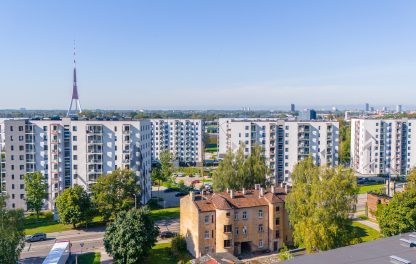
The real estate market is not a uniform industry, and to gain a clearer understanding, each property segment must be examined individually. One sector that has recently undergone significant changes is the market for Soviet-era apartments, where prices have begun to decline considerably. Over the past year, listing prices have dropped by approximately 10%, while actual transaction prices have fallen by an additional 12–15%. One reason for this trend is that maintaining older, unrenovated, or previously renovated apartments—many of which have been either vacant or rented out—has become increasingly difficult due to rising utility costs.
Secondly, buyers are no longer willing or able to pay high prices for outdated Soviet-era apartments. Additionally, renovation costs remain very high, even though they have now stabilized. As a result, unrenovated apartments are currently the least in demand. Meanwhile, the rental market presents an interesting paradox—when factoring in utility costs, the rent for a Soviet-era apartment is only €100–200 lower than that of a modern or newly renovated apartment built during the economic boom years.
At present, buyers would be wise to hold off on purchasing a Soviet-era apartment, as supply in this segment is expected to increase further, leading to continued price drops. However, the downside of waiting is that rental payments could instead be invested in a down payment for a future purchase.
The Newer the Project, the Less Likely Prices Will Drop
The situation is quite different in the secondary market for newer projects. Prices in this segment have remained stable in recent months, and no significant declines are expected in the near future. Therefore, if a good option is found—especially given the current broad selection—there is no need to delay the purchase. That said, buyers should always carefully assess the technical condition of such properties. Many so-called “new projects” are already 10–15 years old, and issues related to wear and tear, as well as poor construction quality, are not uncommon. One effective way to evaluate a building’s quality is by examining heating bills, which provide insights into the building’s energy efficiency.
Even newer buildings may suffer from significant heat loss, inefficient heating systems, or poorly designed waterproofing. These risks should be considered. In some cases, opting for a smaller apartment in a brand-new development may be a better choice than purchasing a larger unit in a project built during the boom years.
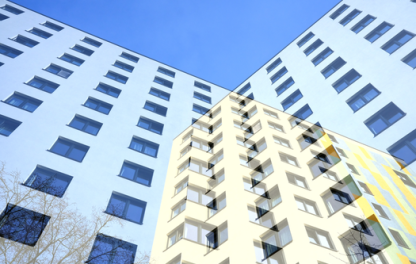
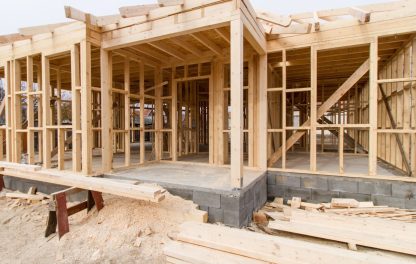
Among all market segments, the most commercially successful are brand-new, first-time sale apartments. Prices in this segment continue to rise gradually or remain stable, with no signs of decline. However, unlike in the past, buyers are no longer rushing to purchase apartments still under construction—partly due to previous disappointments and partly because of concerns over losing reservation deposits if rising Euribor rates impact their creditworthiness. That said, if a project is already completed and available for purchase, waiting is unwise. Prices in the newest developments are unlikely to decrease; on the contrary, they may continue to rise. This trend is reinforced by the fact that developers are increasingly placing new apartments on the rental market rather than lowering sales prices.
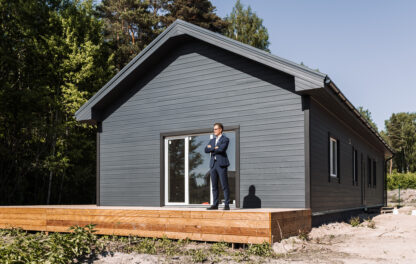
A similar situation exists in the market for smaller and more affordable private homes (up to 200 m² in size and priced between €200,000–250,000). While demand in this sector has slightly declined, prices have not decreased, and buyers continue to show interest in such properties. The most sought-after homes are recently built houses of up to 150 m², priced at under €200,000. However, these are rare and tend to sell quickly. In the higher price segment—where homes range from €300,000–350,000—there is some room for negotiation, and buyers might benefit from waiting.
Overall, the average apartment listing price continued its downward trend in the first half of this year, following last year’s decline. According to City24.lv data, prices fell by 5% in the first quarter and 1% in the second quarter, while the third quarter saw stabilization (0% change). Meanwhile, in the private house segment, prices have continued to rise—8% in the first quarter and 4% in both the second and third quarters.