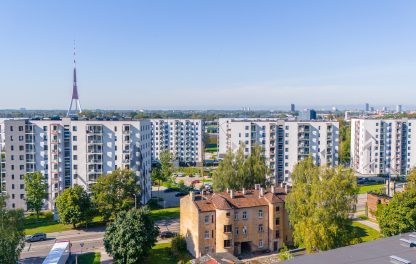
In Riga and the surrounding area, 53% of all real estate transactions took place in older buildings, but only a quarter in new projects, according to information compiled by the real estate agency “Aver Real Estate”. The average term for which an apartment in Riga and the surrounding area is usually sold to a new owner is about three months, and currently the most popular and expensive are apartments of the 119th and 104th series.
With housing prices and loan payments growing faster than wages in 2022, the availability of housing for buyers has deteriorated slightly, but overall it is still at a historically high level, and in the apartment segment the price per square meter in Latvia is still significantly lower than in Lithuania and Estonia.
For example, in the secondary market, the price per m2 of apartments in Latvia is on average 1,200 euros, but in Lithuania – 2,400 and in Estonia even – 2,600 euros. Such a large difference in price can be partly explained, for example, by the fact that Latvia lags significantly behind neighboring countries in terms of the proportion of renovated housing.
“Although buyers are considering the decision to purchase real estate very seriously, the real estate market is generally recovering after the decline that began in the fall of last year and continued into the winter,” says Ritvars Sebris, owner of Aver Real Estate.
“Forecasts show that a drop in the Euribor rate is not expected until at least the end of this year, and some buyers are not ready to postpone their decision to purchase real estate for that long. Especially considering that the market situation in the distant future is difficult to predict. Accordingly, people are looking for solutions to reduce their monthly loan payments, for example, by choosing a longer mortgage repayment term or by reorienting themselves to smaller areas and cheaper housing, including renovated and high-quality apartments in serial buildings,” says the expert.
There are more apartments in the apartment market in all segments; number of transactions – decreased
Current trends show that the number of objects available on the real estate market is increasing not only in older buildings, but also in other apartment segments. For example, in Riga, the number of apartments on offer has increased by more than 33% since the beginning of the year, and an apartment is usually sold on average within three months. Overall, according to land registry data, the number of real estate transactions in the first half of this year, compared to the situation a year ago, fell by 9% in Riga, while in the surrounding area – by as much as 23%.In recent months, Riga has seen a decline in real estate prices in apartments in serial buildings, which are most in demand among buyers. The decline in prices is being driven by several factors, including the fact that there are more and more such apartments on the market. If an apartment in a serial building was once purchased as an investment object, most sellers now want to sell it, because further price increases in serial apartments cannot be predicted in the near future.The cheapest apartments in Lithuanian and Khrushchev-style buildings
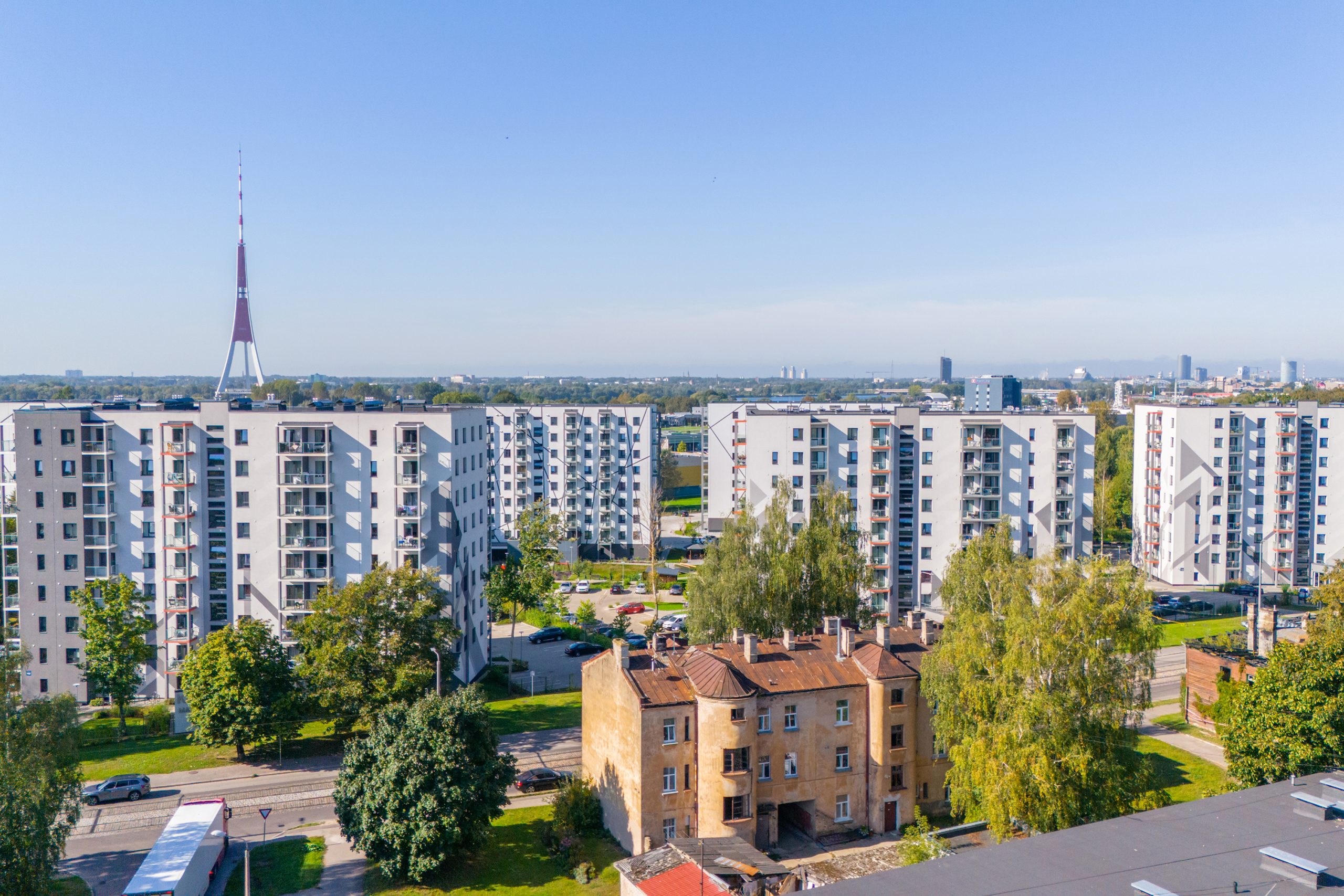
The 119th and 104th apartment projects are currently the most in demand and expensive, while the cheapest, according to data found on cenubanka.lv, are apartments in Lithuanian, small-family and Khrushchev-style buildings. Of the apartments in serial buildings, the least purchased are four-room and unrenovated apartments, while the greatest activity is observed in the segment of 2-3-room, renovated apartments, and especially many transactions take place in Agenskalns, Teika, Imanta, as well as Purvciems and Plavnieki.
“Aver Real Estate” observations show that buyers of serial apartments are becoming increasingly educated: if previously only the condition of the apartment itself was important to buyers, now they conduct research on both the advantages and disadvantages of each specific project, as well as the overall condition of the building and the existence of renovation or plans to carry it out.
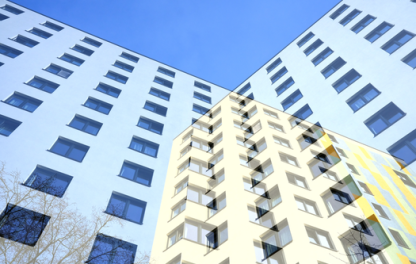
More buildings renovated in Latvian regions than in RigaIt is easy to determine whether a building has been renovated, both by its external appearance and by its heating bills. If a building has undergone a full renovation, it has a renewed, more modern facade, a renovated staircase, changed risers, a heating unit, a roof and entrance doors. In total, in Latvia, from 2009 to the end of 2021, according to data from economists at the Bank of Latvia, approximately 1,000 apartment buildings were renovated, which is a very small number.For example, the “Long-term Strategy for Building Renovation” in Latvia provides that at least 8,100 buildings should be renovated over the next seven years until 2030, which is eight times more than in the entire previous period. In addition, as also shown by the trend report published by the Ministry of Economics, it is characteristic that the percentage of renovated buildings in Latvian regions is higher than in Riga.
“Despite the available state and European support, older building renovation projects in Riga and its surroundings began to become more active only in the relatively recent past. Renovation costs are usually visible as an additional item on the monthly bill from the manager. When purchasing an apartment in a renovated building, the buyer takes over these obligations for the loan taken for renovation for the remaining period of the renovation. Therefore, it is important to also inquire about the terms and amount of the renovation project loan for each apartment in the renovated building,” explains Sebris, explaining the trends.
If you have viewed an apartment in a specific serial project building and it has not been renovated, it is important to conduct an in-depth study of it, for example, by contacting its manager and talking to neighbors.
From the manager, you can learn about both the renovation work carried out and planned in the building, as well as the condition of the building in general, the activity and responsiveness of its residents. The total amount of debt of the house, which is usually also visible on the utility bill sent by the manager, is a very important indicator of how ready its residents are to potentially make some investments in improving the house in the future.
If the manager does not want to provide such information to an outsider, the seller of the apartment can be involved in the communication as an intermediary. It should be noted that the renovation of a house, attracting the support of “Altum”, currently requires the support of the residents of the house in the amount of 50% + 1 vote.
Observations show that banks are still willing to lend for the purchase of apartments in serial houses, but it should be noted that they usually require a higher down payment of 15-20%, contrasting this with new projects, where attracting the support of “Altum”, the down payment can be as little as 5%.